In today’s marketplace full of brands screaming for attention, MUJI represents the antithesis of consumerism.
Most business families that lose the business do not lose it to a competitor.
Zara became the flagship of the world’s largest fashion retailer by getting the latest styles to customers faster than anyone else, at prices most could afford.
Forever 21 became one of the largest and most competitive fast fashion retail brands in the world competing on cheap price points, merchandise, prime locations and rapid global logistics.
Amorepacific is a global Korean beauty company with a brand portfolio competing on innovation, quality, marketing and authentic Korean cool.
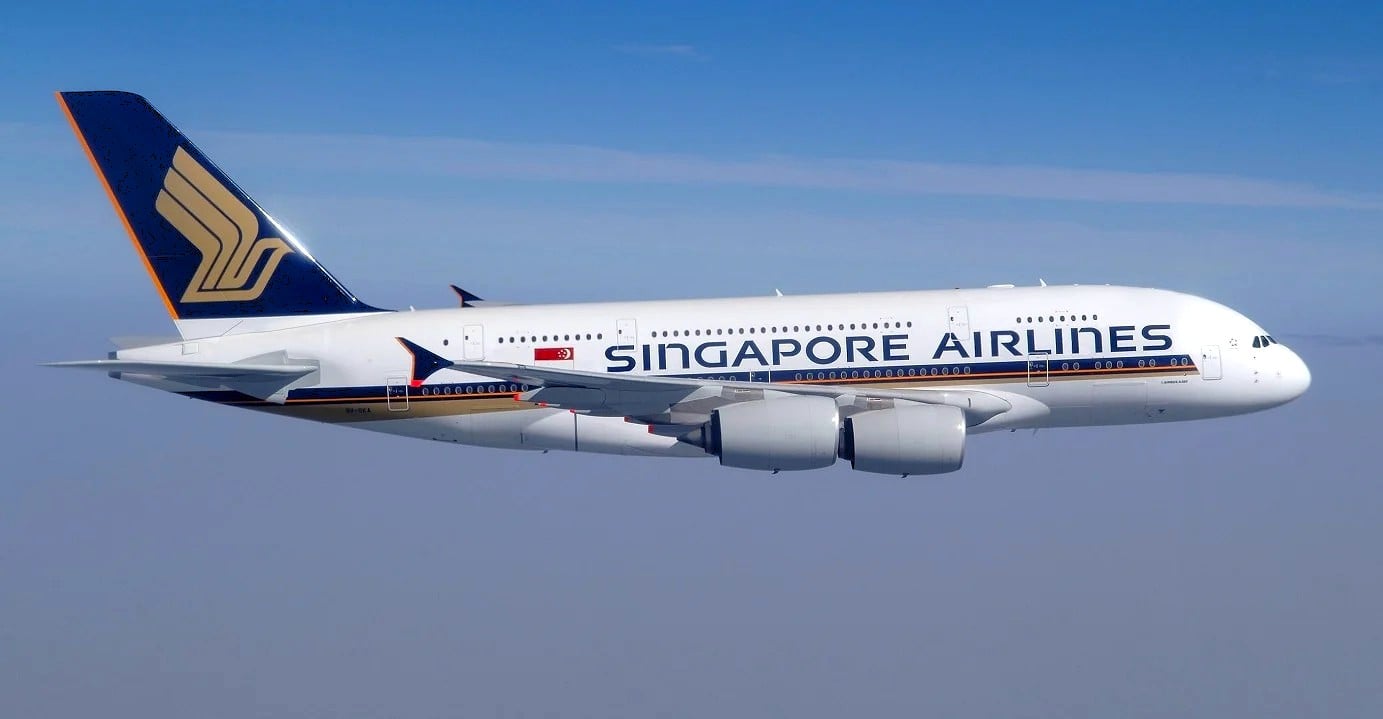
Think about one of the strongest brands from Asia, and chances are that Singapore Airlines (SIA) and its long-serving, almost iconic Singapore Girl easily come to mind.
The Korean Wave (Hallyu) refers to the global popularity of South Korea’s cultural economy exporting pop culture, entertainment, music, TV dramas and movies.
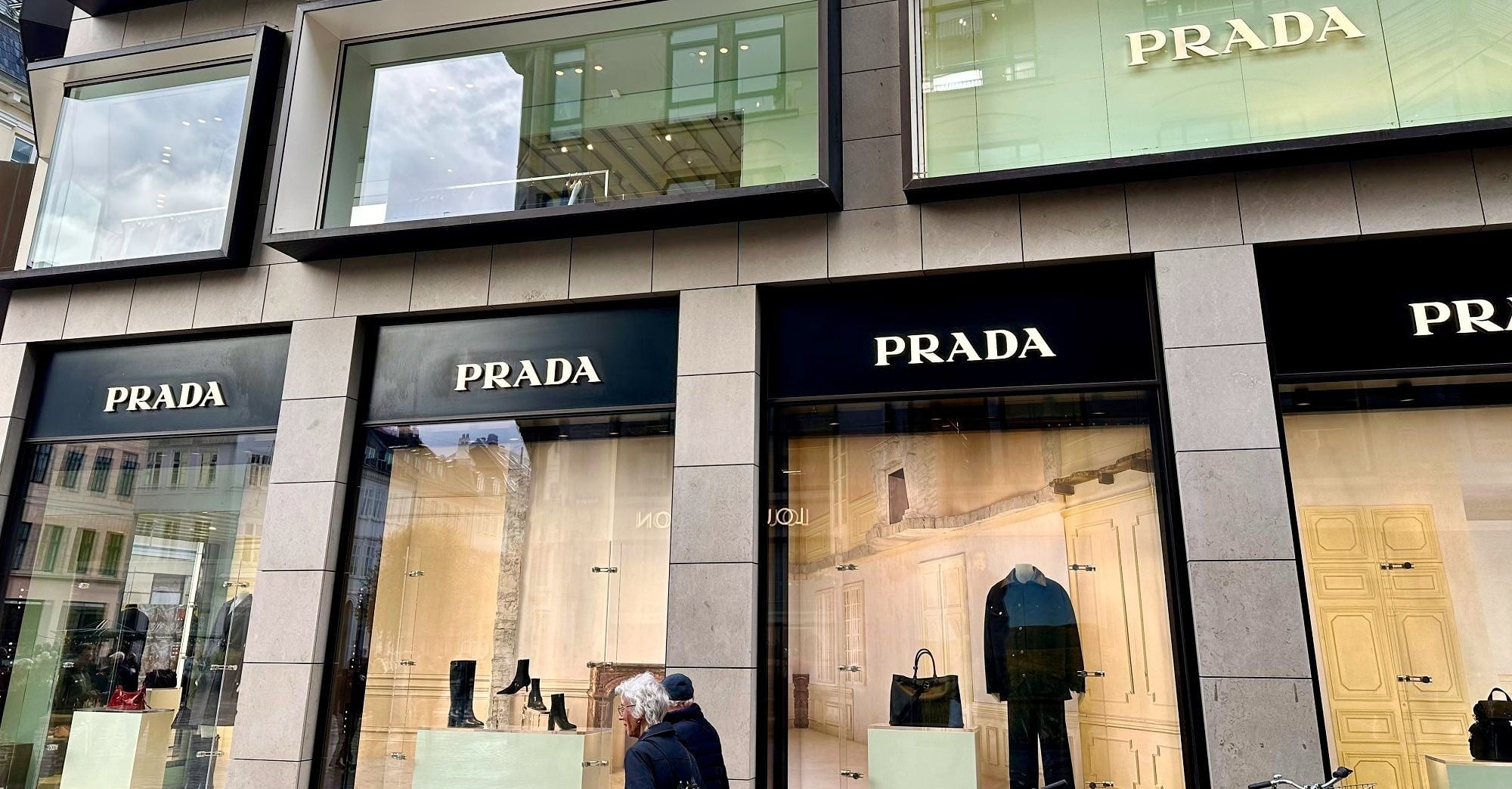
Prada was built on an argument.
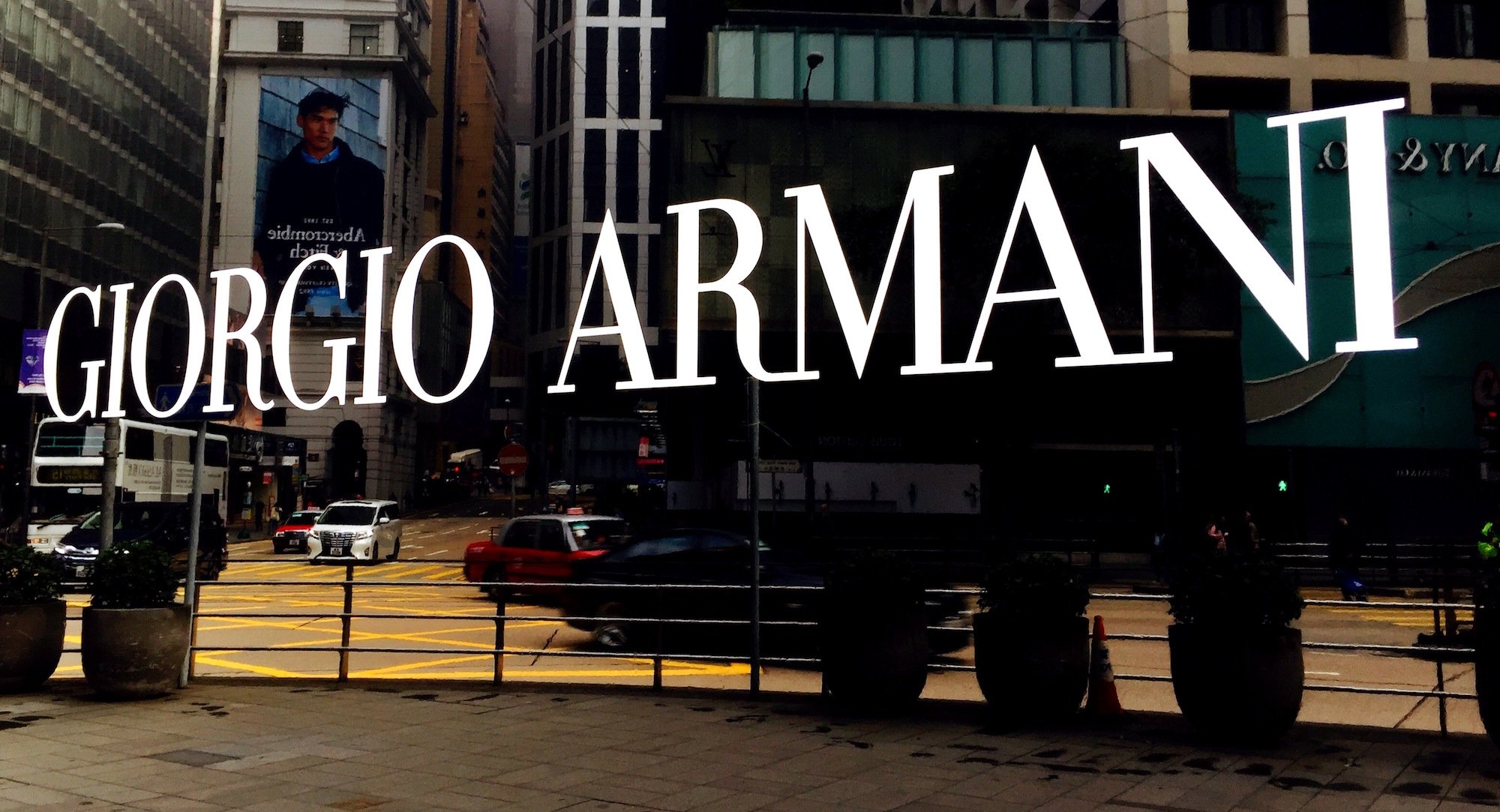
Giorgio Armani spent 50 years refusing to sell.
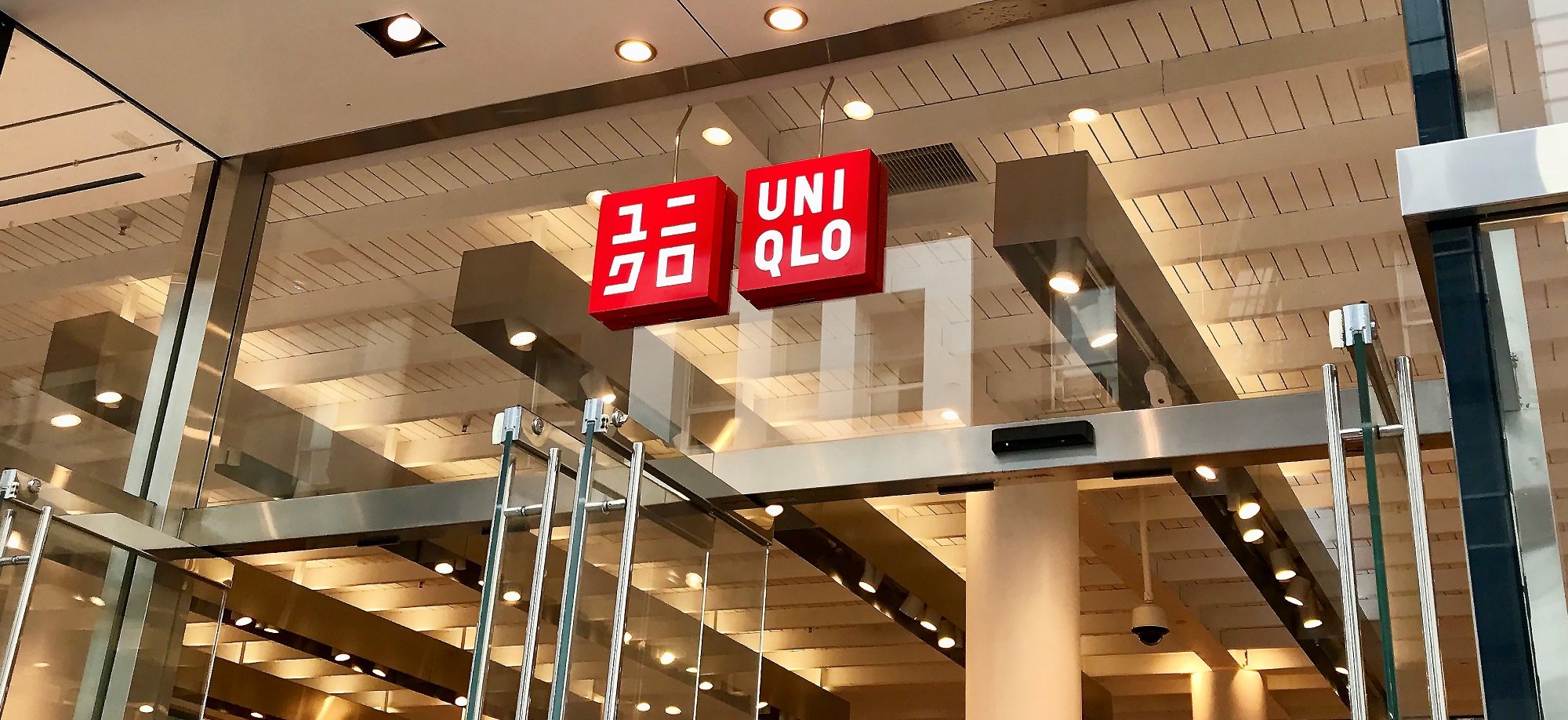
Uniqlo has become one of the largest clothing brands in the world by refusing to behave like a fashion company.
Banyan Group has spent three decades proving that an independent, family-controlled brand from Asia can grow to global scale without being absorbed by one of the giants.
Aman is one of the most iconic brands to have emerged from Asia.